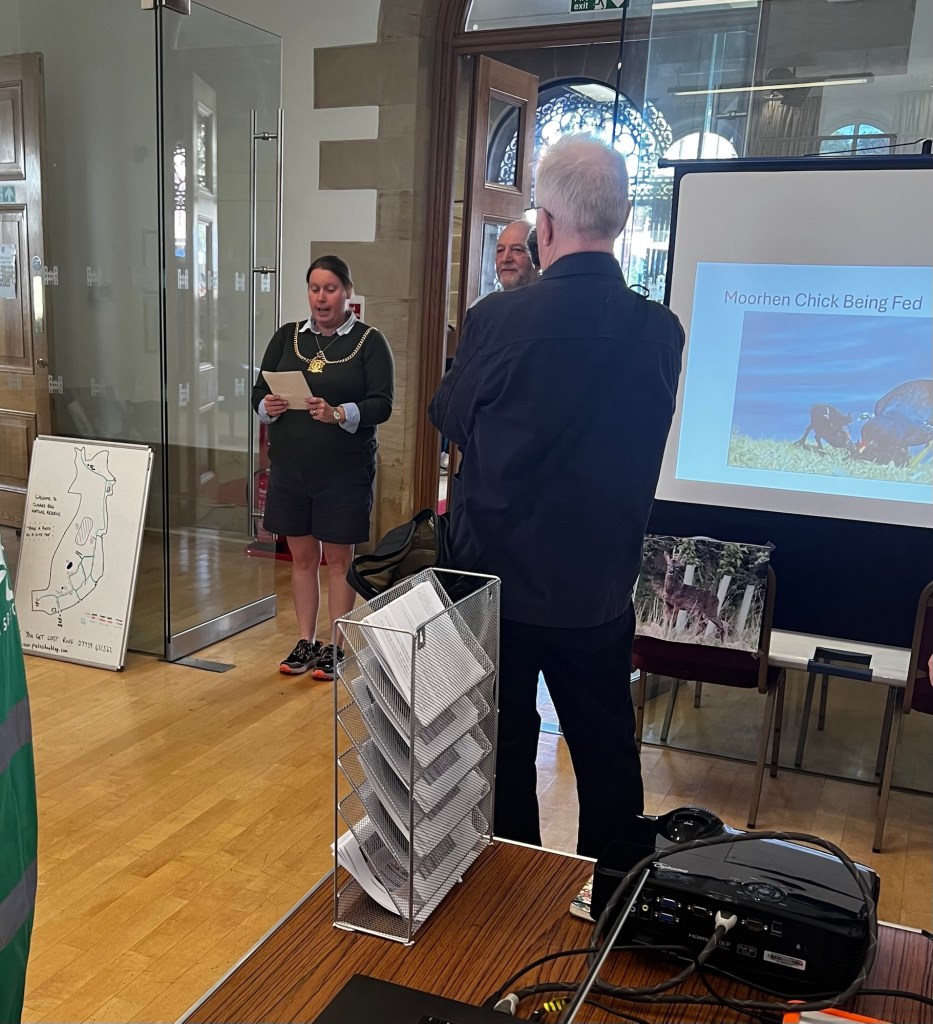
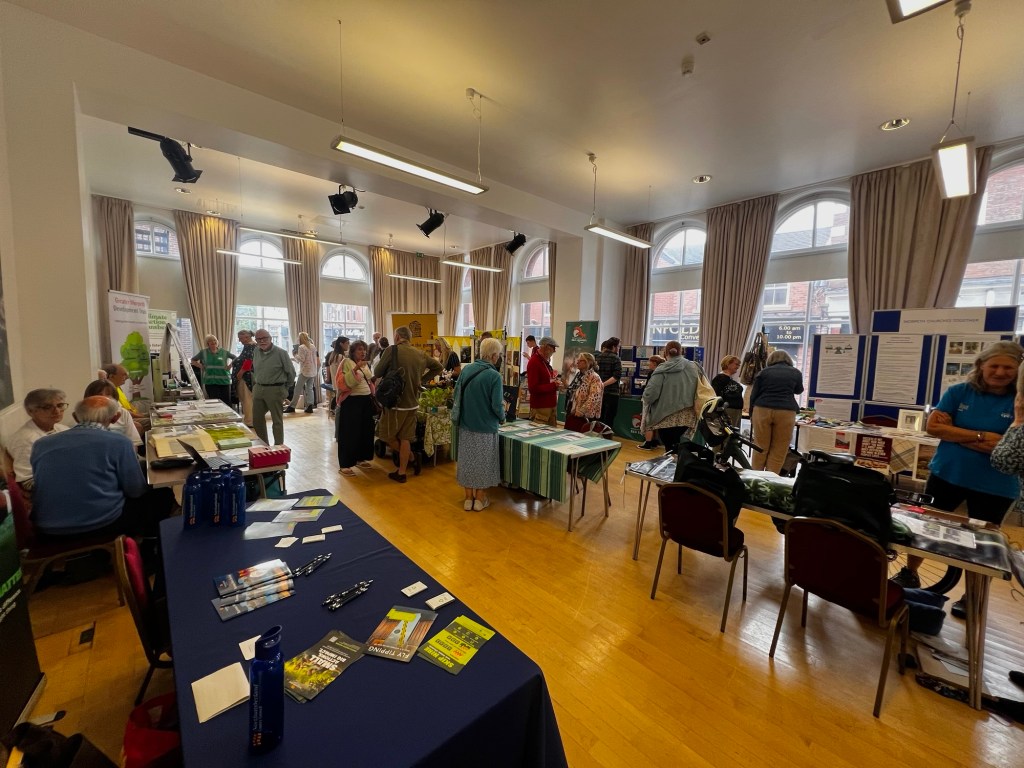
We had a visit from Blyths Bede Academy with 10 students and 1 teacher attending.
We did a tour of the reserve including a little moth identification and ended with the opening of our fossil pit, the first visitors to use this facility.


We had a visit from Blyths Bede Academy with 10 students and 1 teacher attending.
We did a tour of the reserve including a little moth identification and ended with the opening of our fossil pit, the first visitors to use this facility.


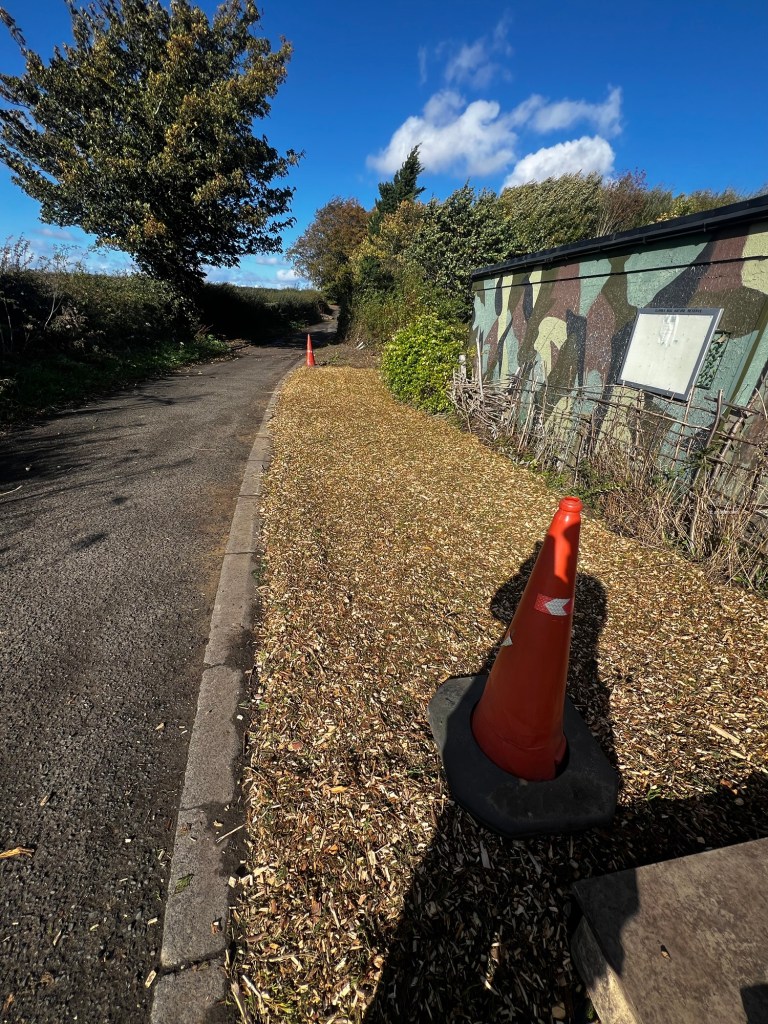
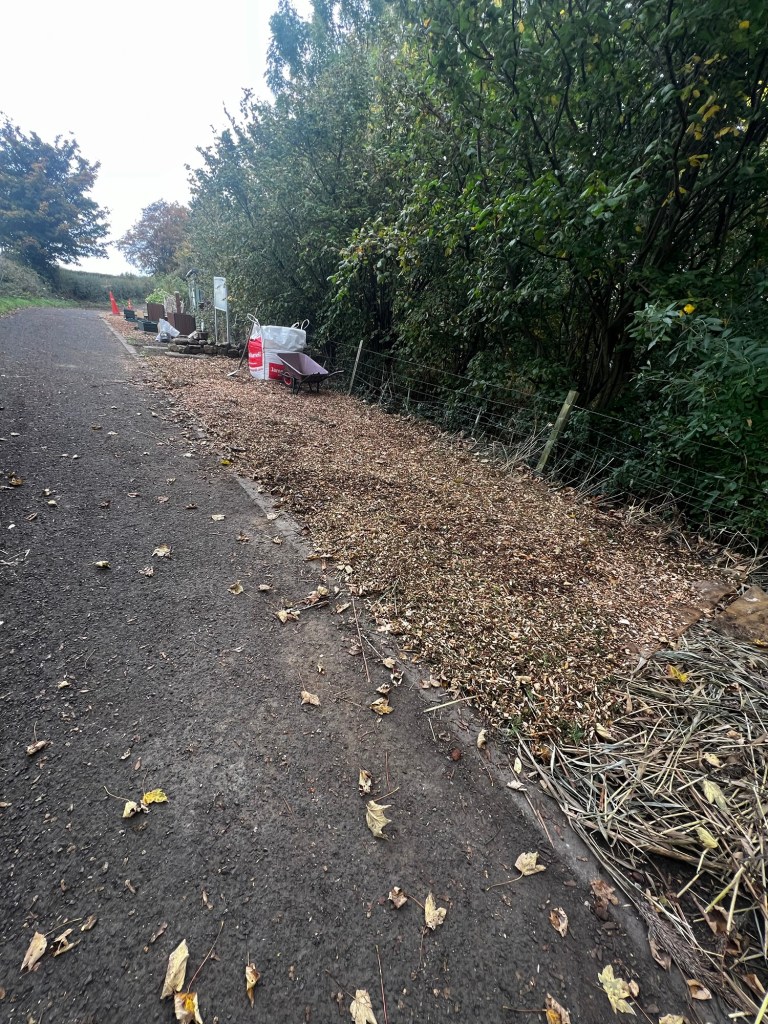
We had a tremendous thunderstorm on Friday evening that didn’t last long but deposited an awful lot of water. It was not good for the Woodchip paths, with a number suffering significant damage.


It also took its toll on our leaky dams, taking out the centres of dam 1 & 2


Fortunately our footbridges withstood the flood even though they were submerged, I estimate the stream depth increased by about 1 metre in less than 30 minutes. Kudos to Skillmill for their construction of these footbridges.
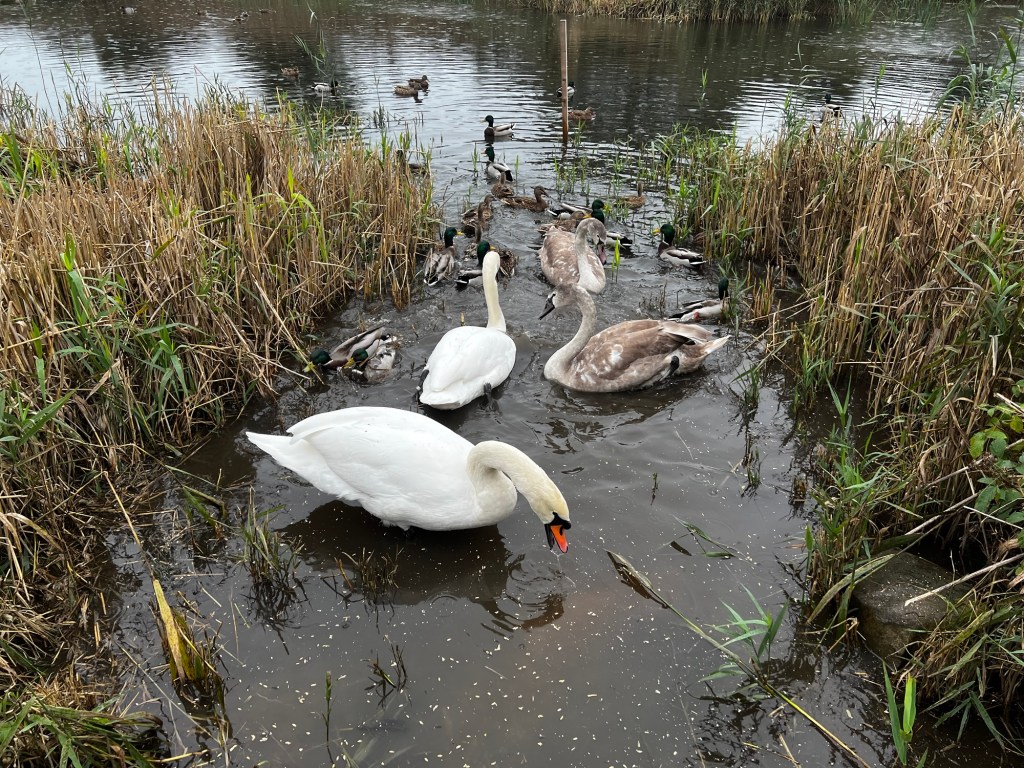
I had almost given up on our Mallards producing some youngsters. They are usually the first youngsters we see along with the Moorhen. So I had a pleasant surprise on Friday to see a female Mallard with a ‘magnificent seven’ ducklings. I’m happy to say that after 3 days we still have six surviving.


At this stage the ducklings are feeding on insects on the surface of the pond. They seem to be all fit and healthy so fingers crossed they avoid all the predators waiting to pounce!
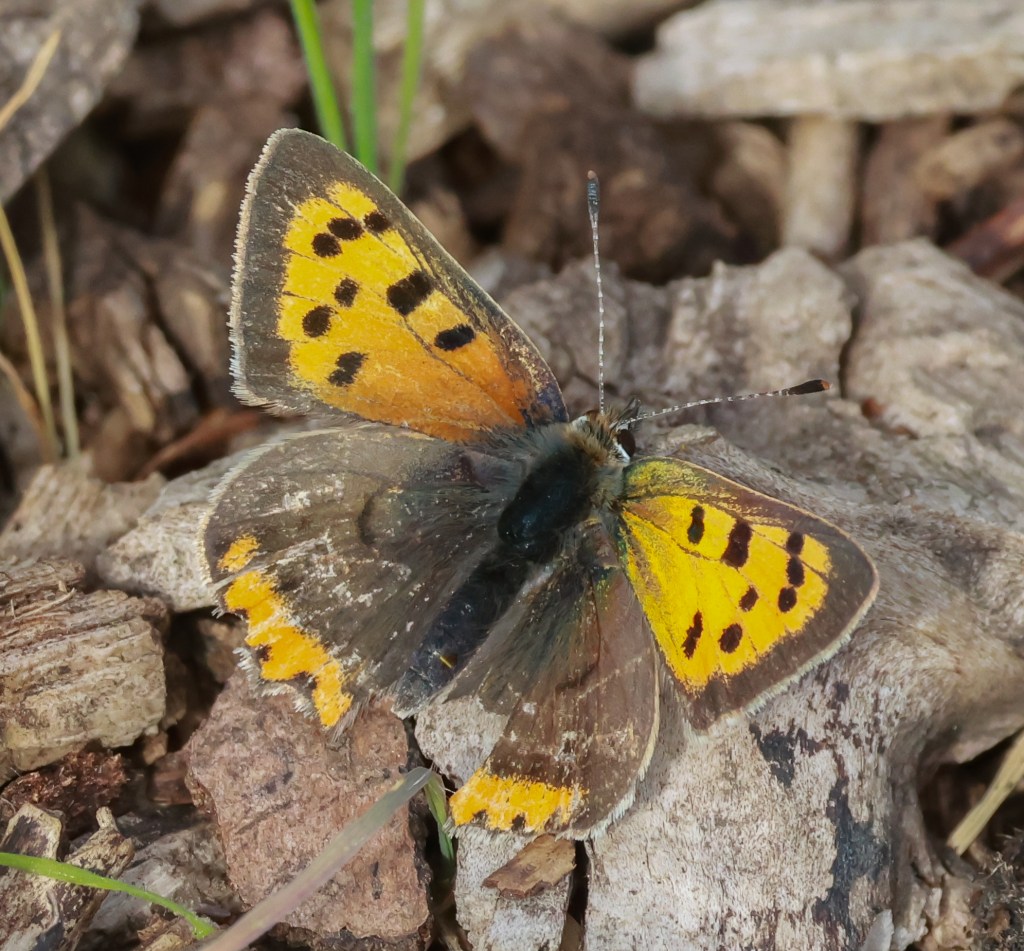
A very beautiful first for the reserve, a butterfly that has not been seen (by me) in nearly 10 years of walking the reserve. The butterfly is called a Common Blue, not so common for me!

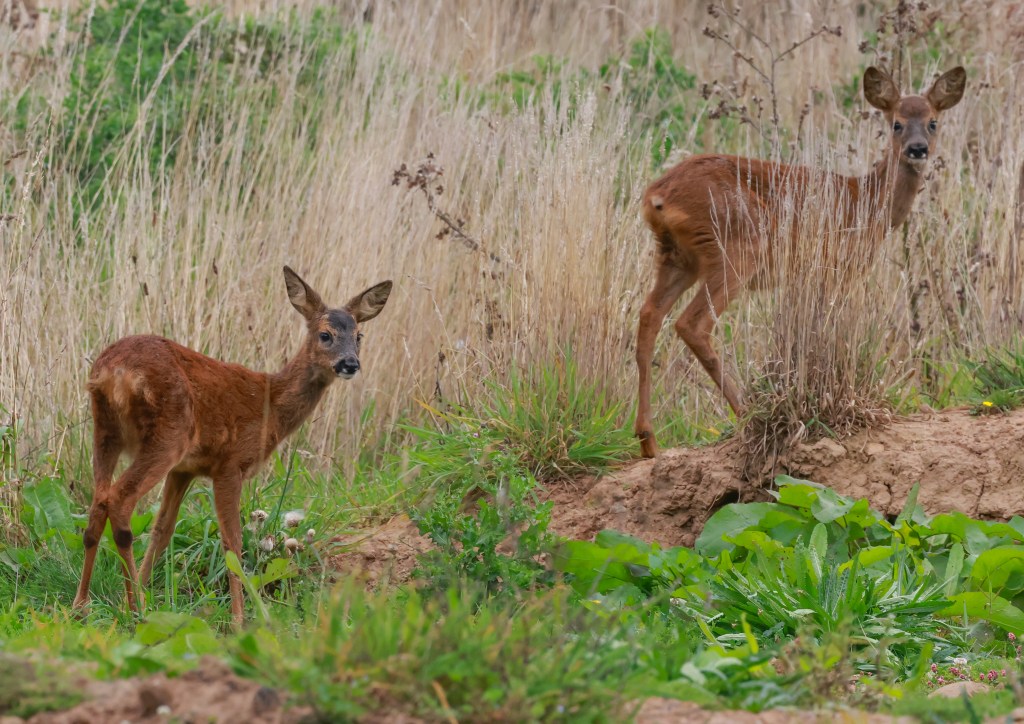
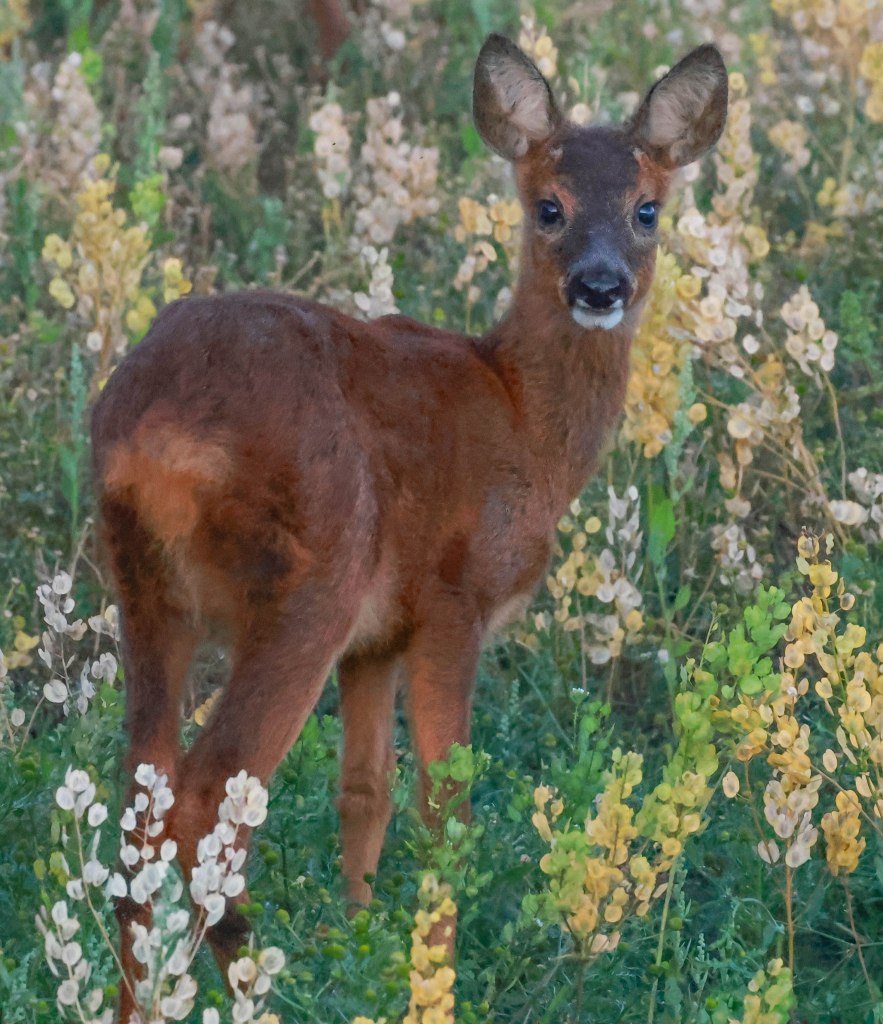
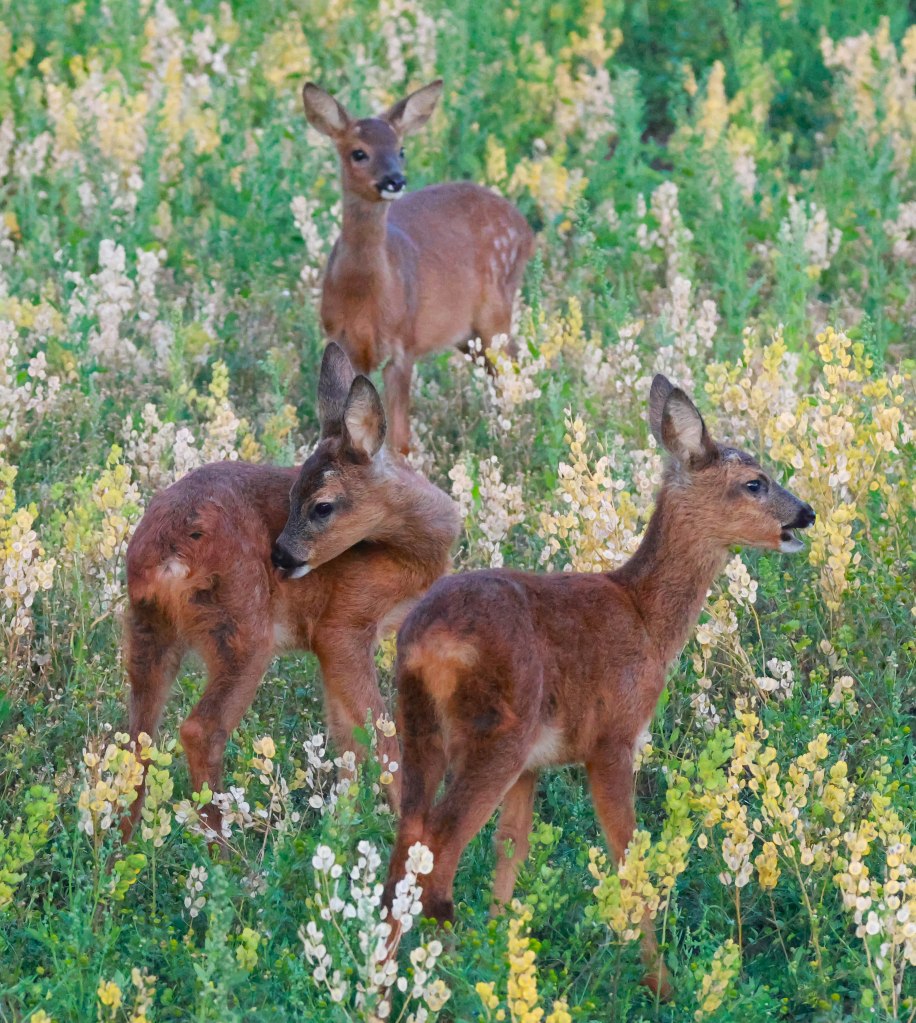
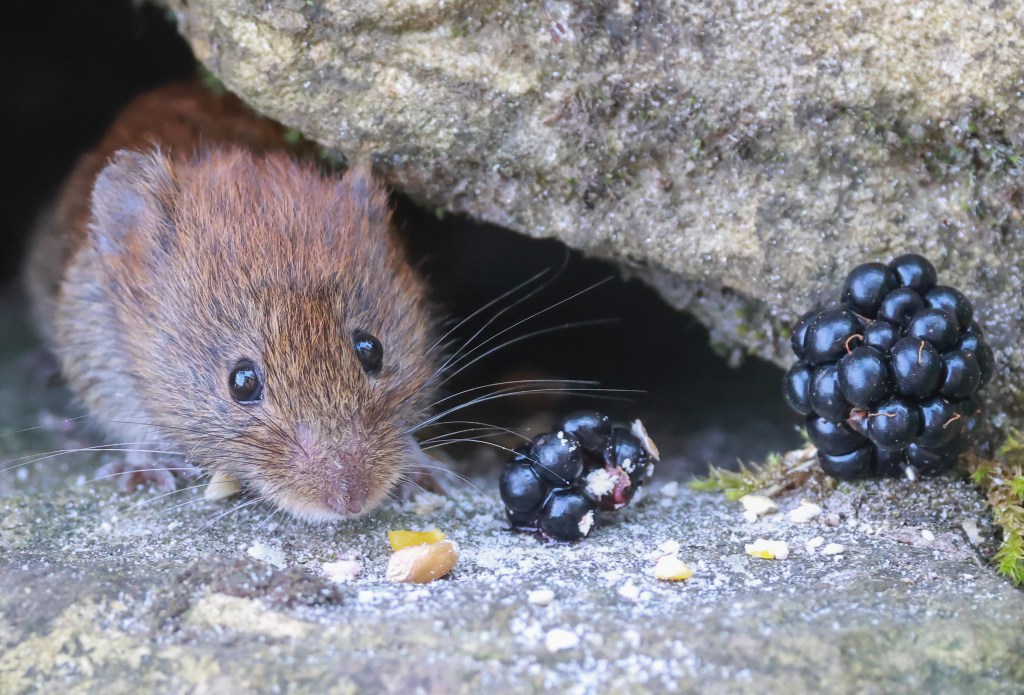
It has taken a while but our Roe Deer kids have started to appear. Over the last couple of days I have seen a set of twins and another which I suspect may also be one of twins. The vegetation is so long they disappear, so the only way they move is by bouncing through the undergrowth. Makes it tricky to get a decent photo!


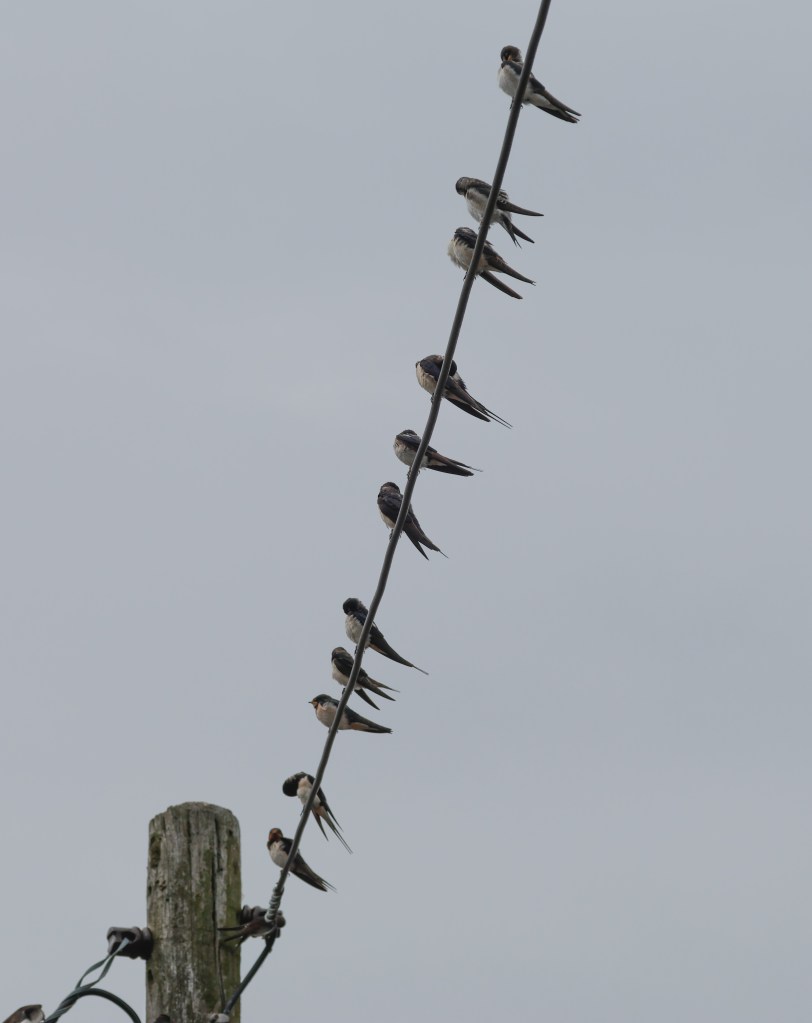
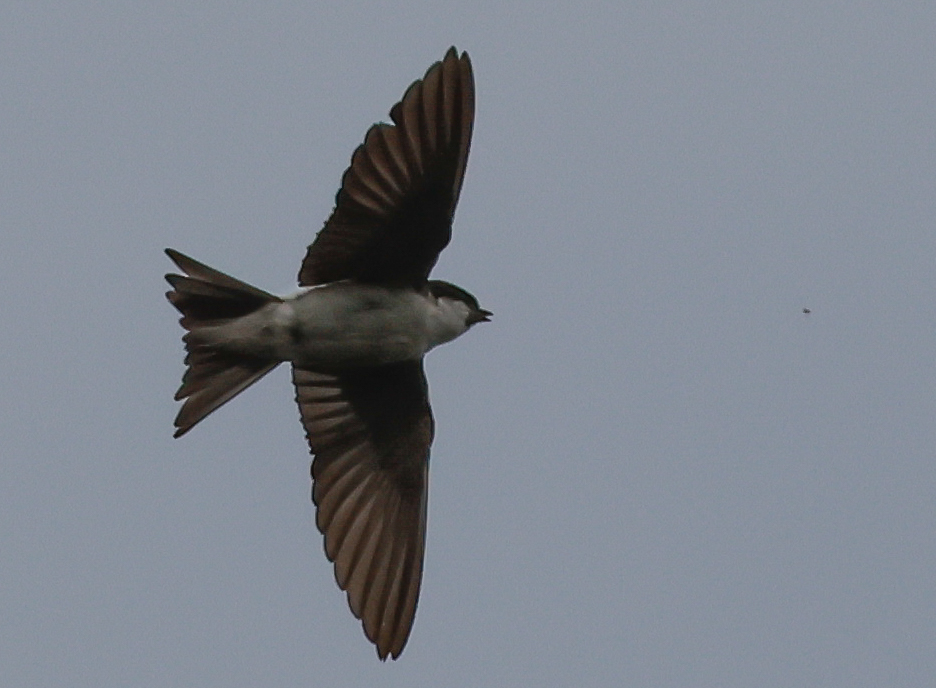
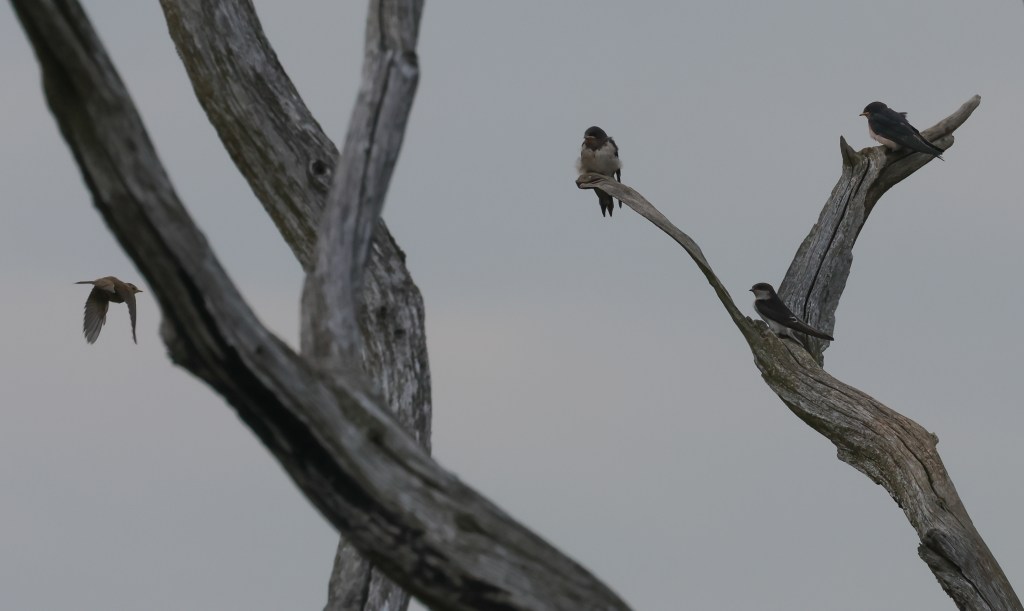
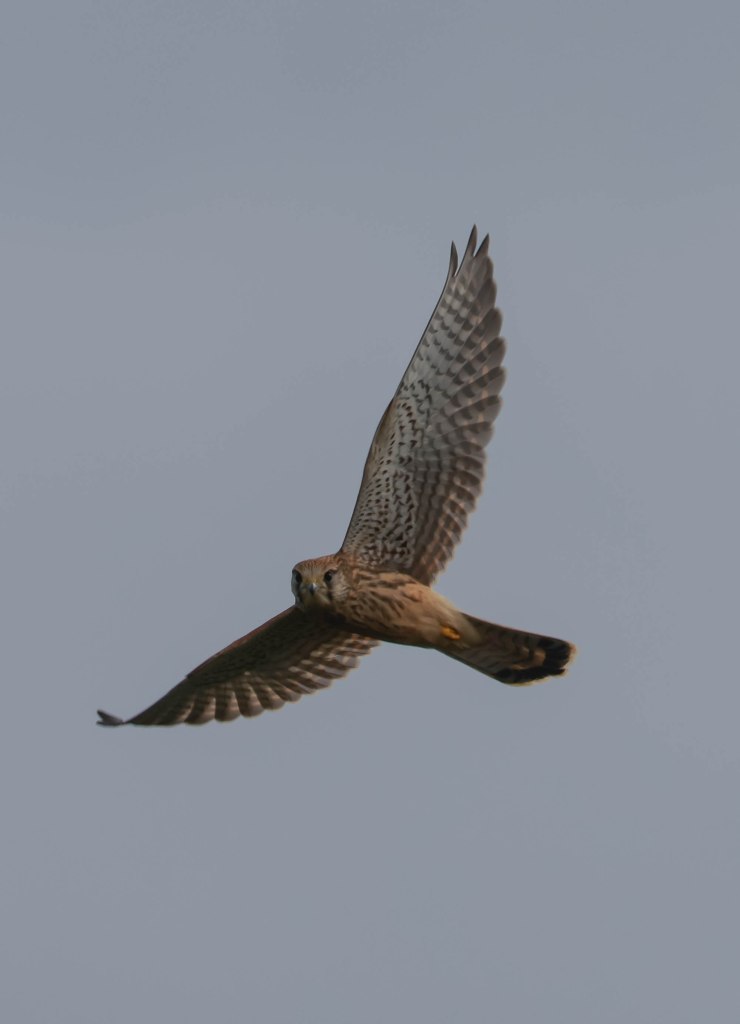
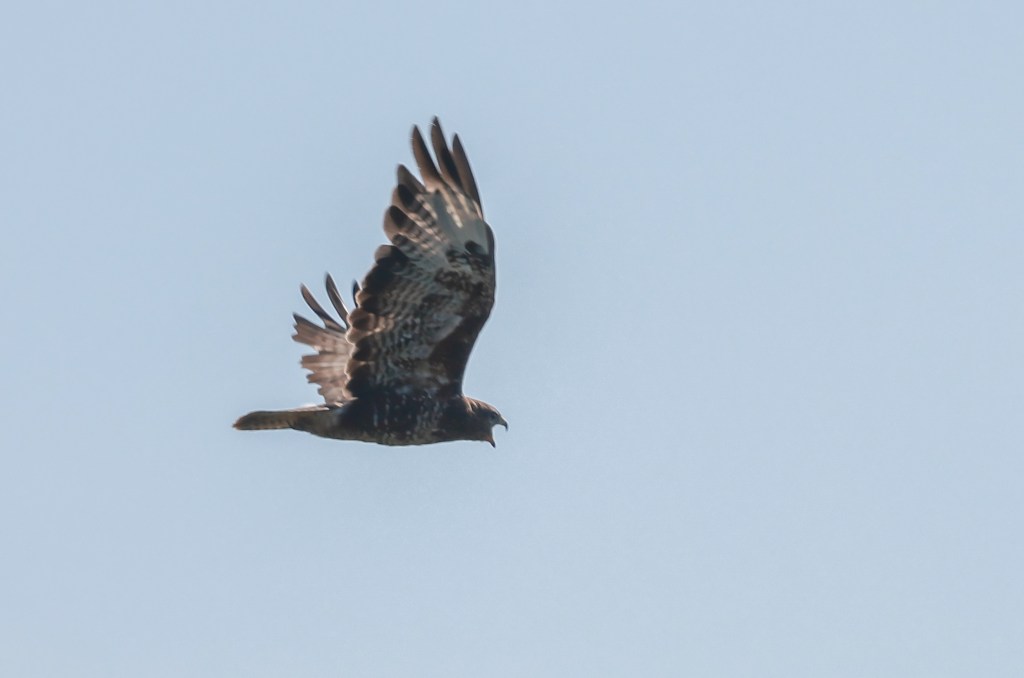
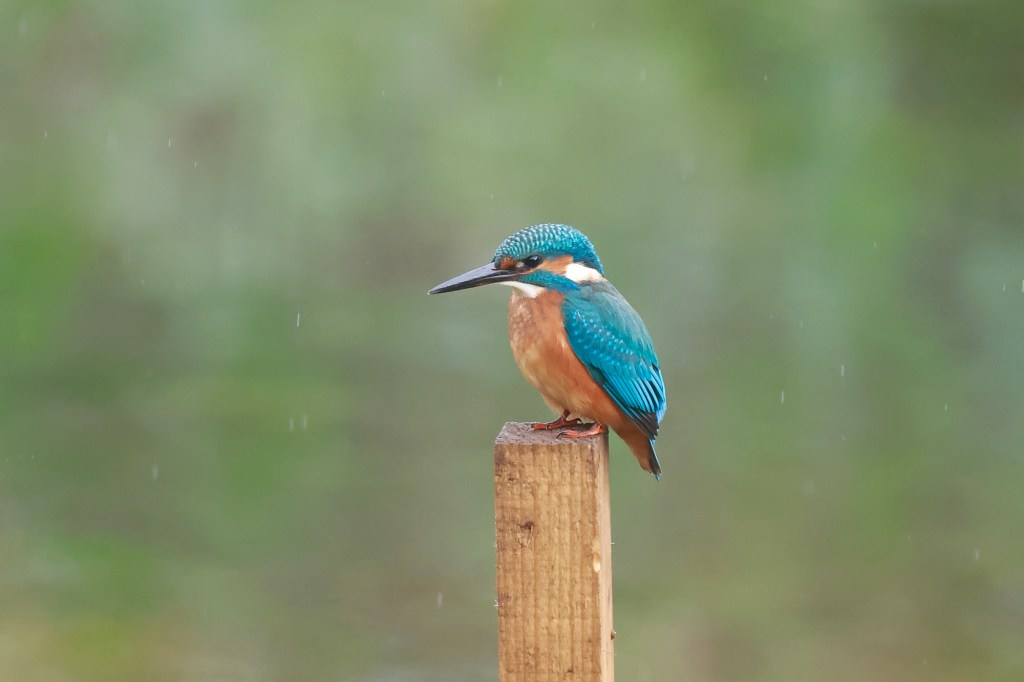
I’ve only seen this bird twice in the last ten years, over the reserve. This was the third sighting, it didn’t stay long and I only got long distance shots hence the poor quality, but it was nice to see. I’m sure the bunnies and rodents were not as happy!


Pip: Pete's Bog Blog in May and June — where the wildlife doesn't wait for a schedule and neither, apparently, does the construction crew.
Mara: Petesbogblog has been busy on two fronts: a photo-rich look at what's been moving around the reserve, and a serious habitat build that's now one roof away from welcoming its first barn owl.
Pip: Let's start with what's actually been spotted out there.
Mara: May in Pictures is exactly what it sounds like — a month's worth of reserve life captured in one post, covering everything from butterflies and dragonflies to deer, ducks, and a sparrowhawk.
Pip: The caption that earns its keep: "Female Tufted Duck doing Angel of the North impression." Someone's been waiting a while to use that one.
Mara: The range is genuinely wide. Orange Tip butterflies, a Painted Lady, a Scorpion Fly, Broad Bodied Chasers — including a female caught egg-laying — and a Roe Deer buck rounding out the mammal sightings alongside several appearances from very bouncy rabbits.
Pip: That's a reserve doing well. Which makes the next question obvious — what's being built to keep it that way?
Mara: The Barn Owl Build post documents a five-day construction project — a mini barn designed to house a barn owl box — carried out by Peter Smith alongside work experience students Ben and Aidan from KEVI.
Pip: Work experience students building actual wildlife infrastructure. That's a better week than most internships manage.
Mara: The post tracks it day by day: Auggie and Charlie break ground on day one, walls go up on day two, the door is fitted and path work begins on day three, and by day five the mezzanine is in place to hold the barn owl box. The post closes: "A very big thank you to Coquetdale Wildlife Group and The Hadrians Trust for helping fund this project."
Pip: So it's community-funded, volunteer-built, and one roof panel from operational. The infrastructure is real.
Mara: What this means in practice is that the reserve now has a purpose-built structure positioned specifically to attract barn owls to nest — not just passing through, but resident.
Pip: And the barn isn't the only new structure getting used. Cute Killer catches a stoat exploring the freshly built drystone wall at Woggle Water pond — introduced, naturally, as Stoaty McStoatface.
Mara: The post notes the stoat is "hopefully reducing my rat population, a little" — which is a fairly relaxed attitude toward having an apex small predator move into your wall.
Pip: Resident stoat, barn owl on the way. The reserve is assembling a cast.
Mara: A month of sightings and a week of building — the reserve is active on both fronts.
Pip: Next time, we'll see if the roof goes on and whether the barn owls got the memo.
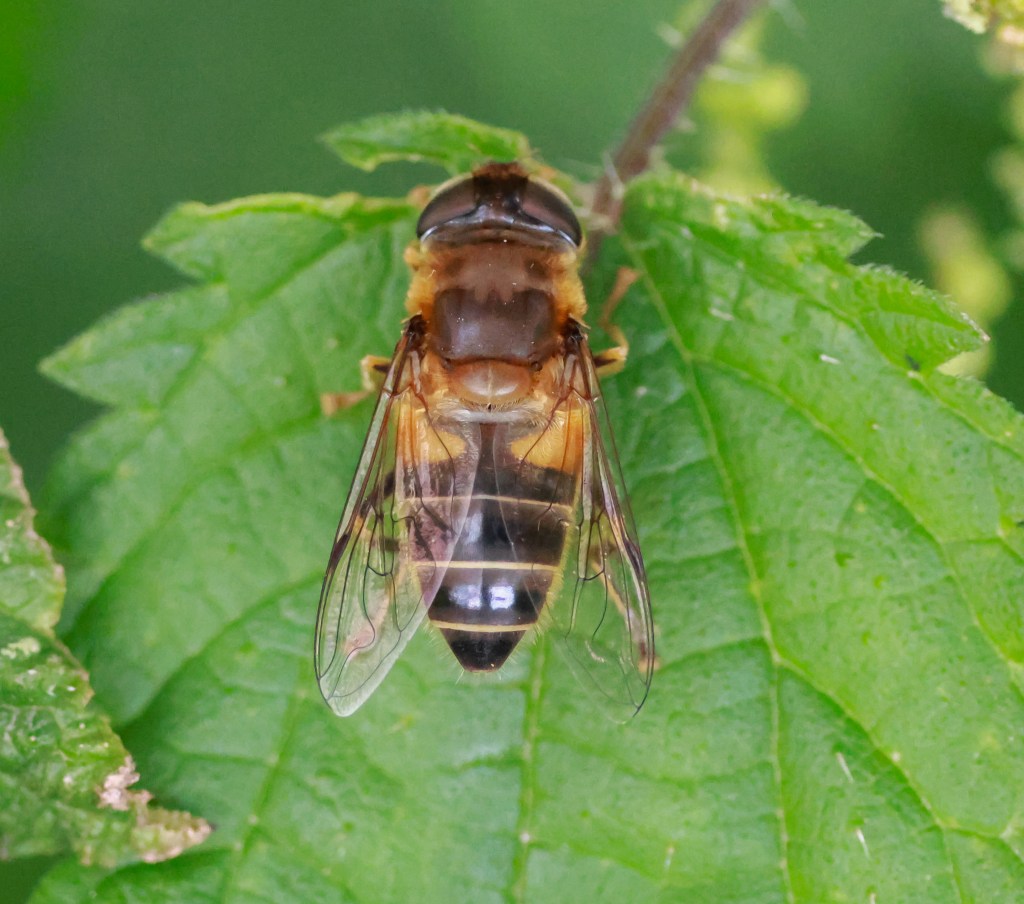
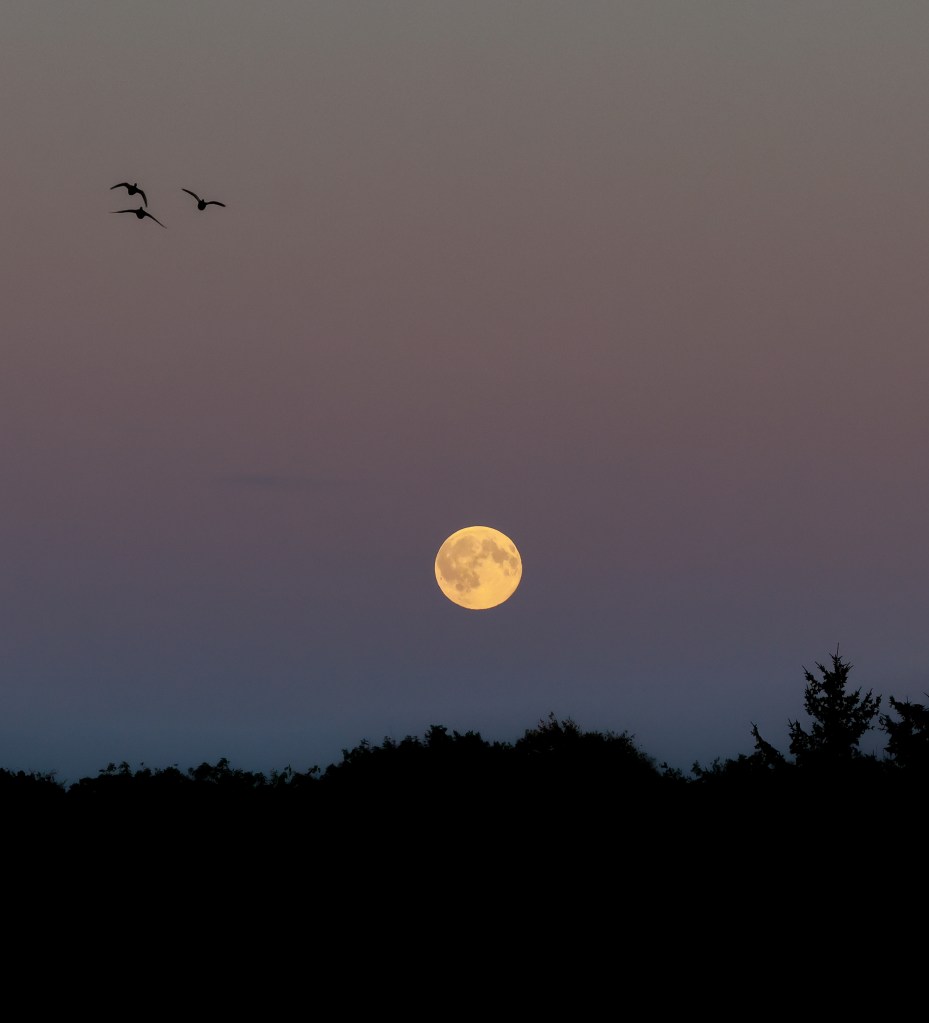
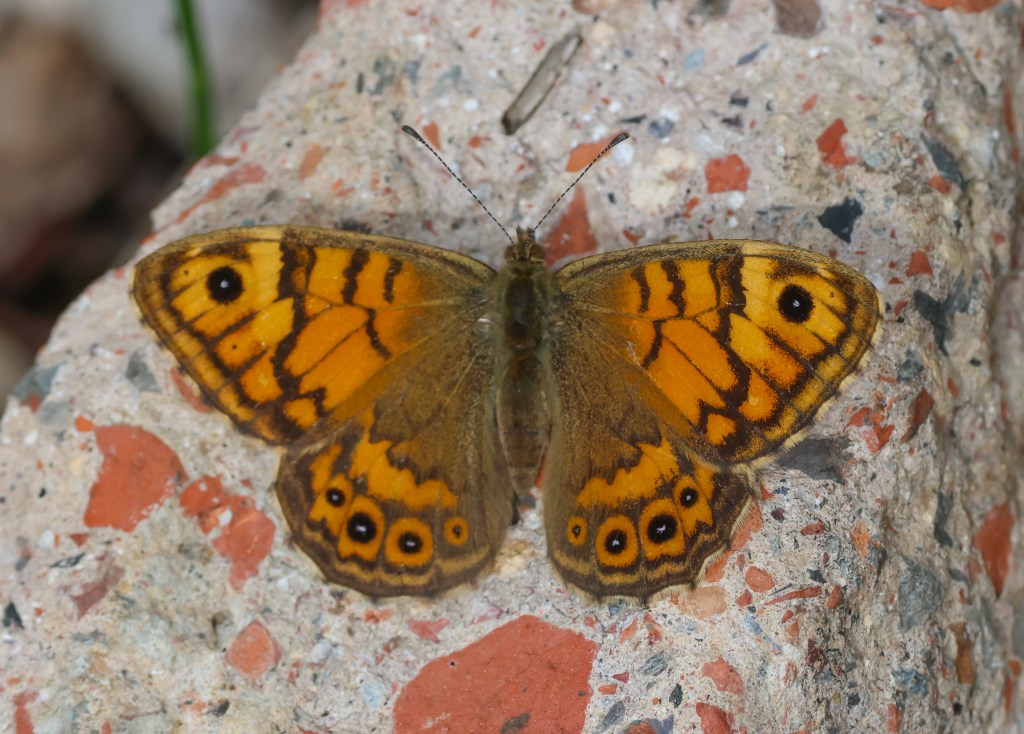
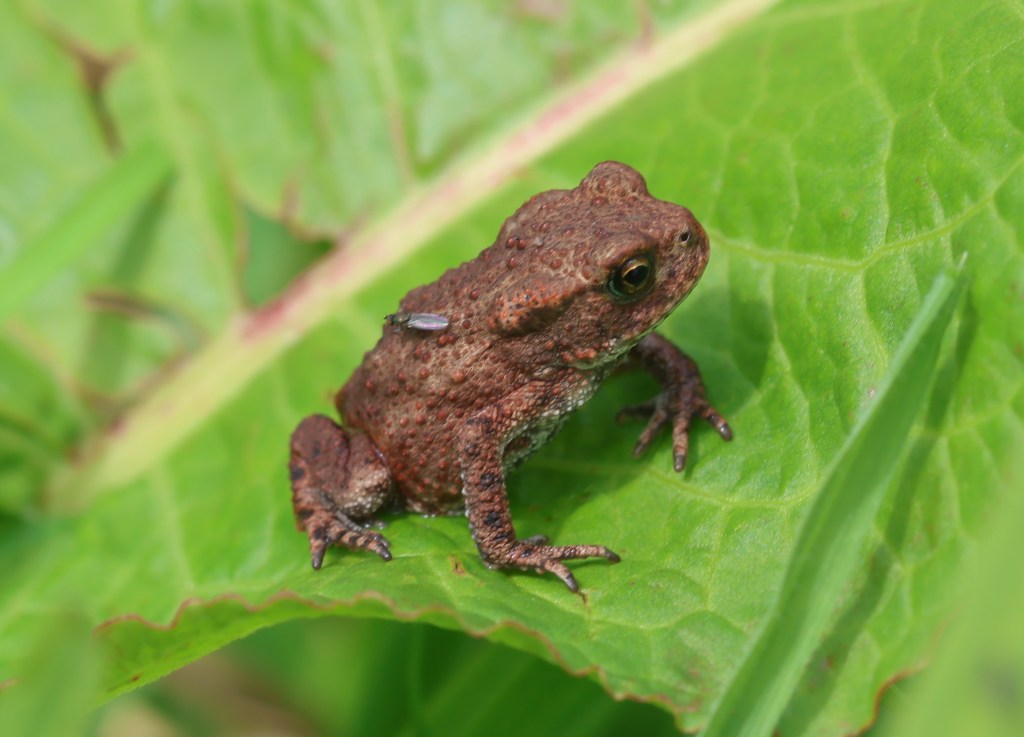
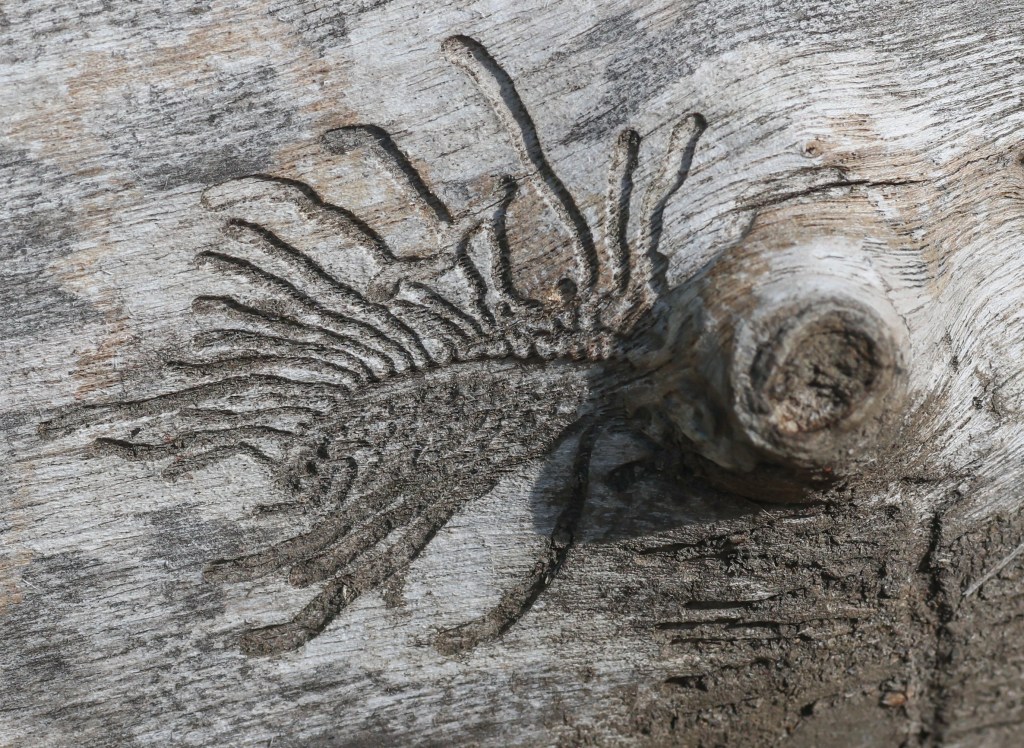
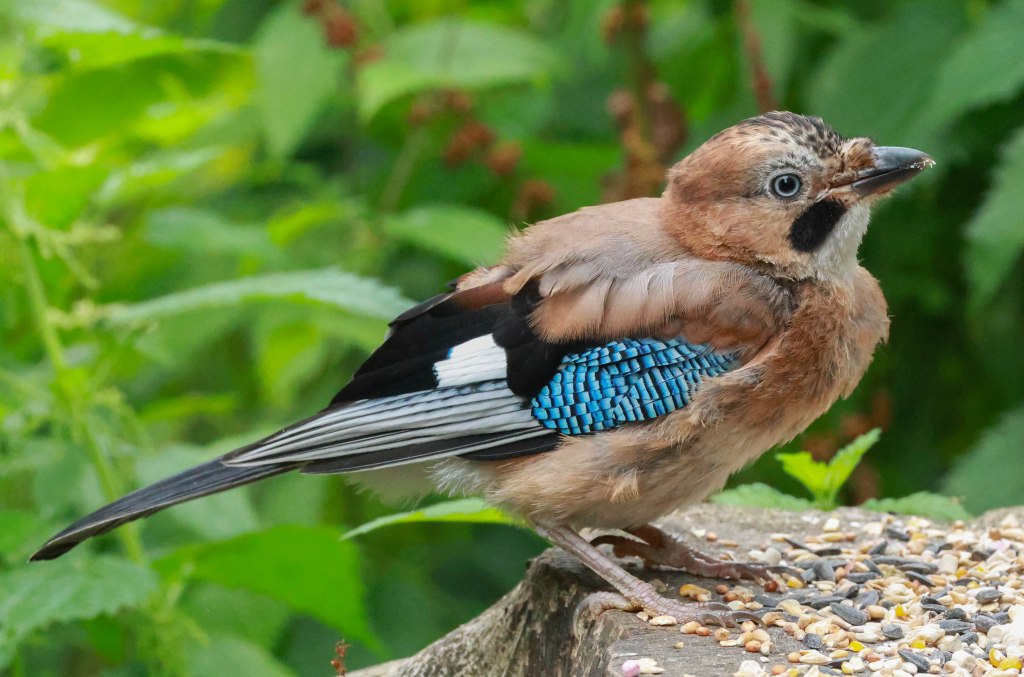
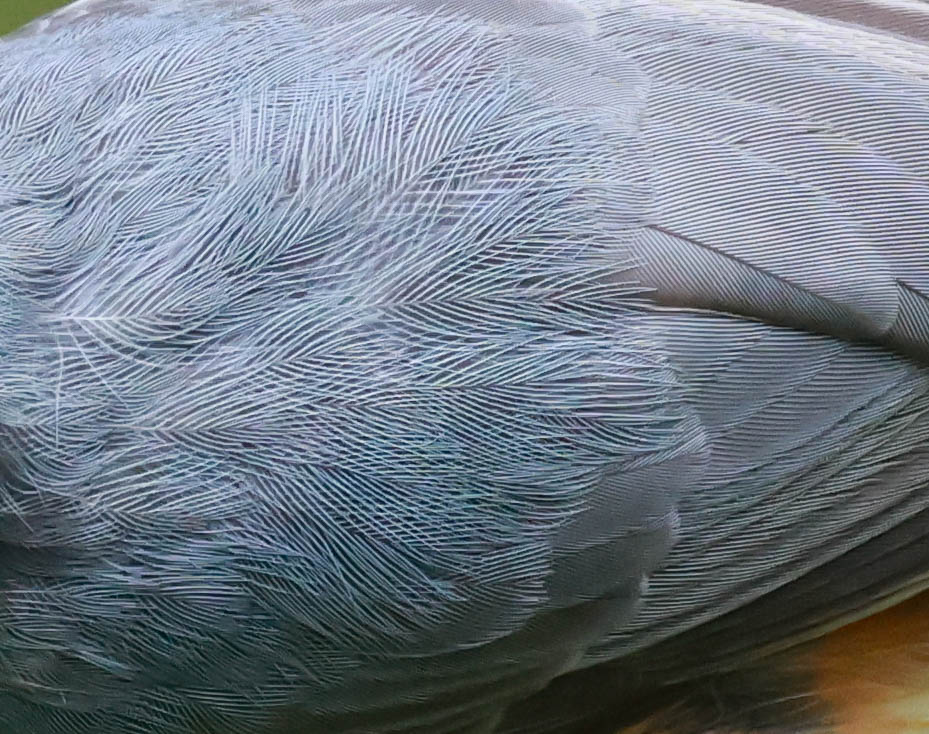
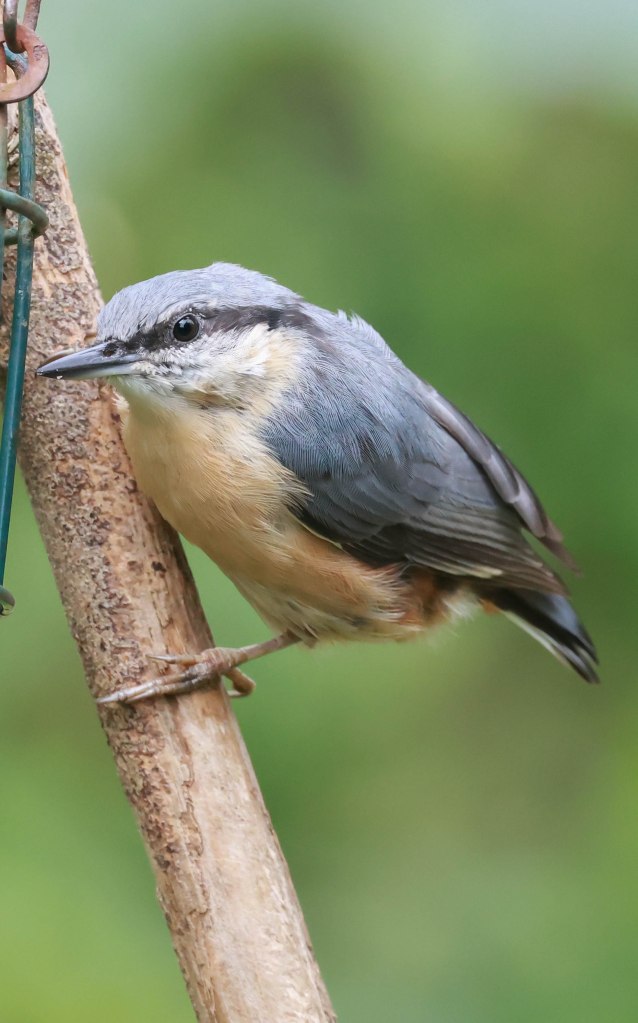
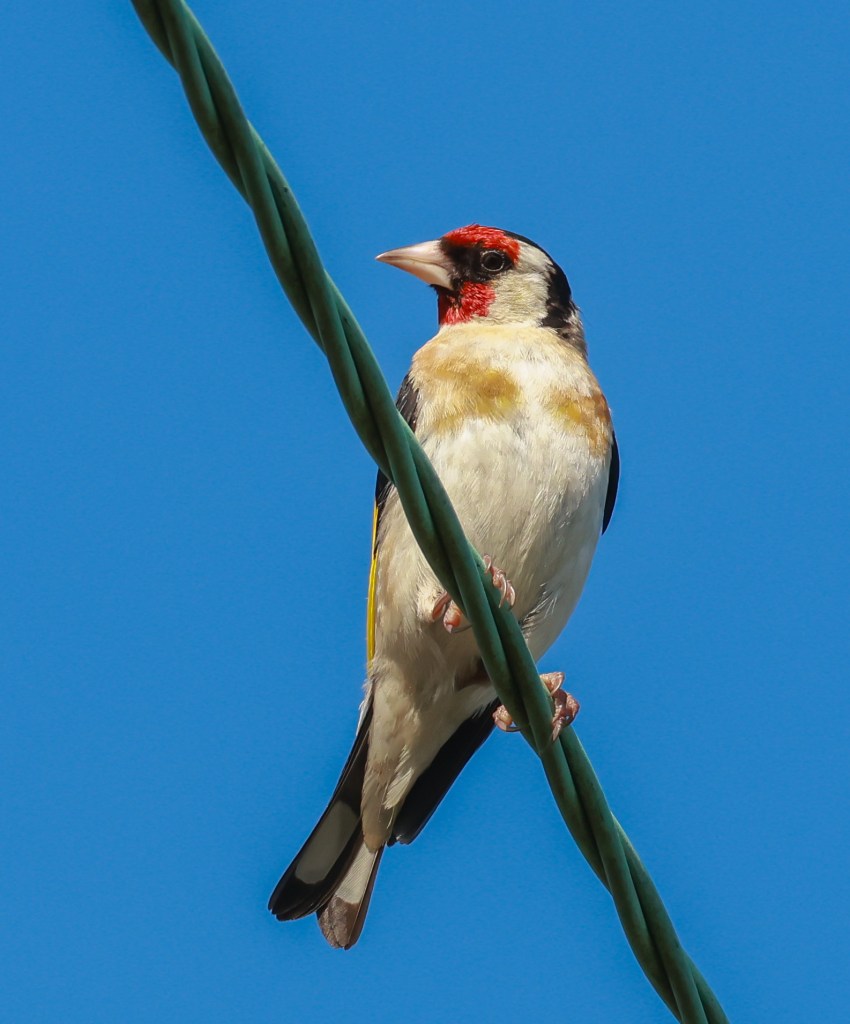
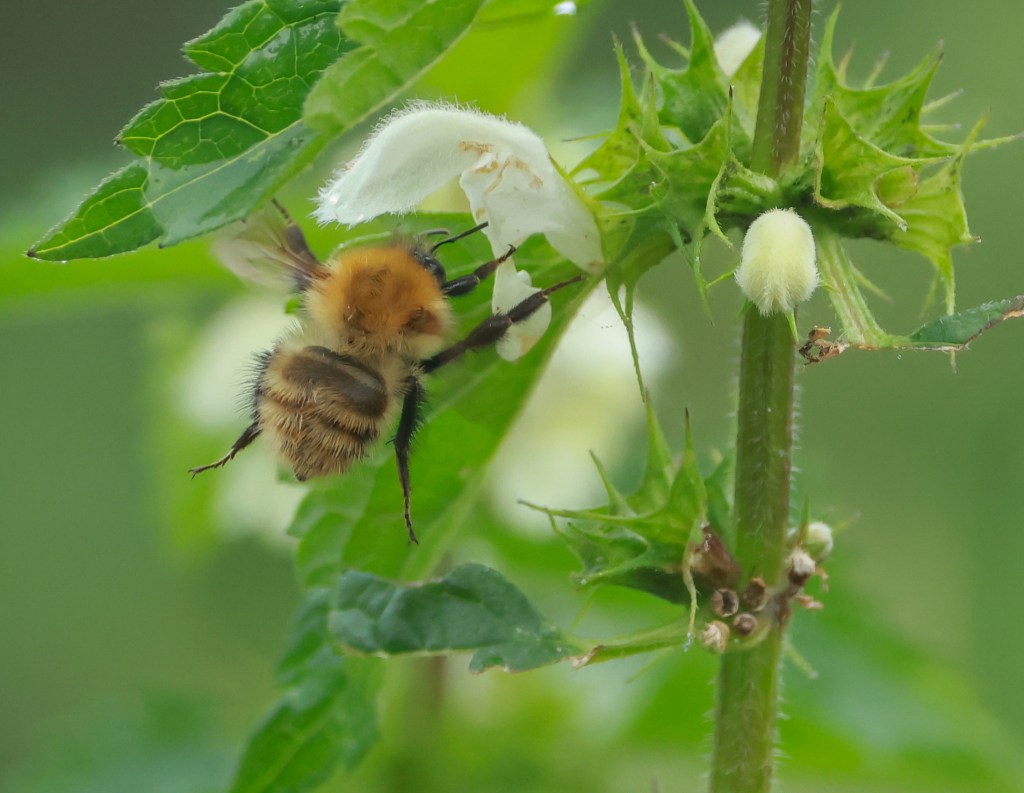
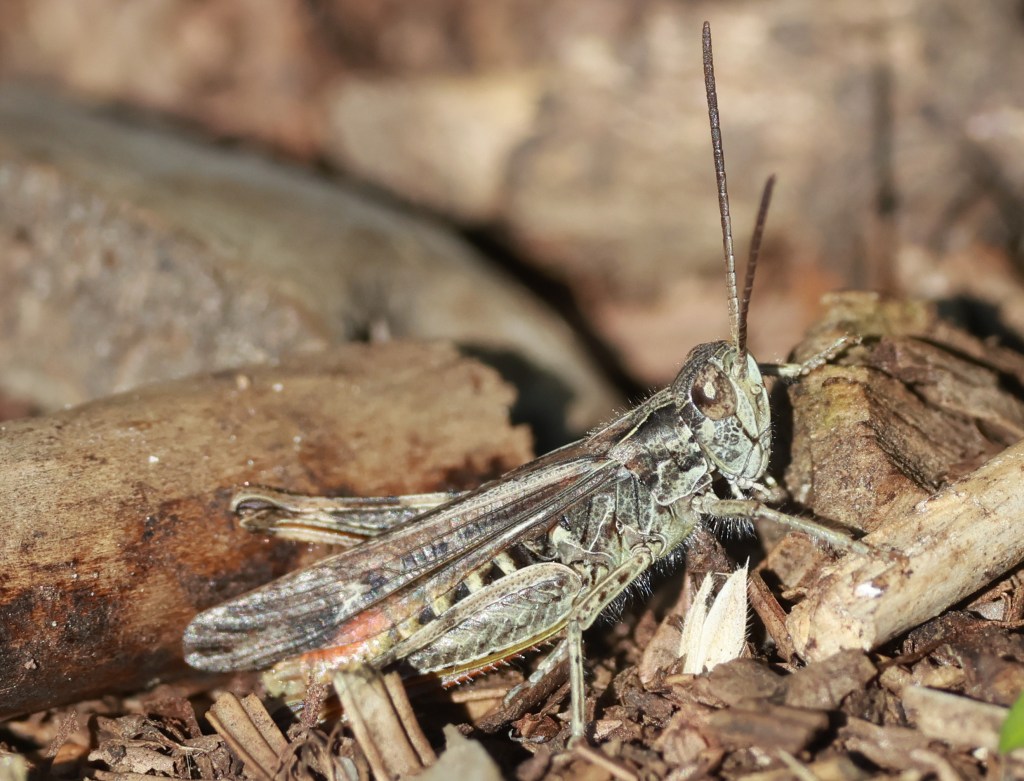
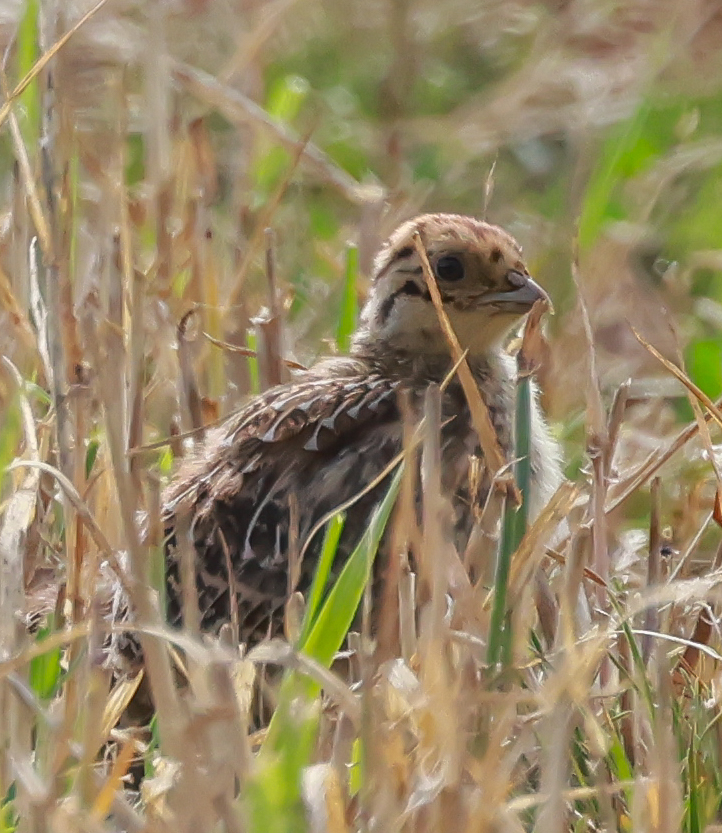
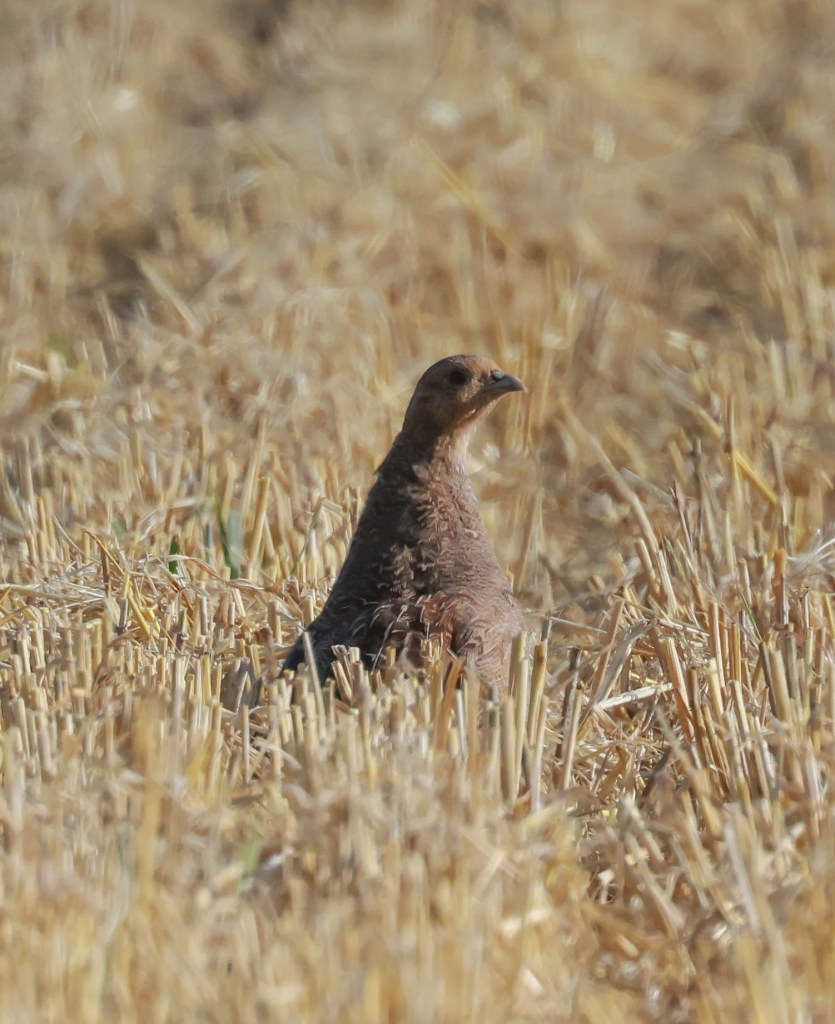
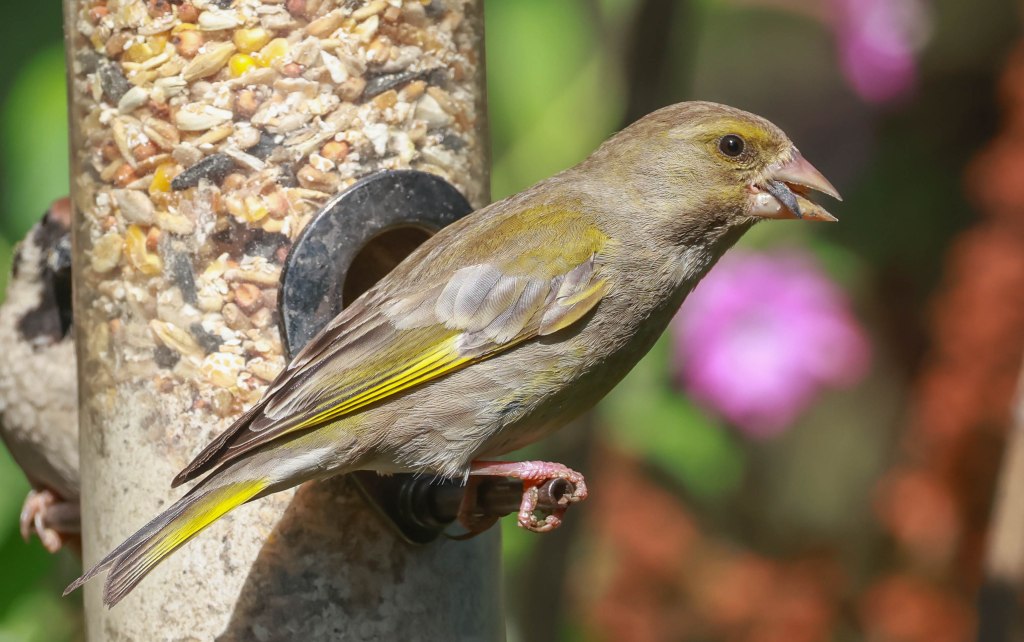
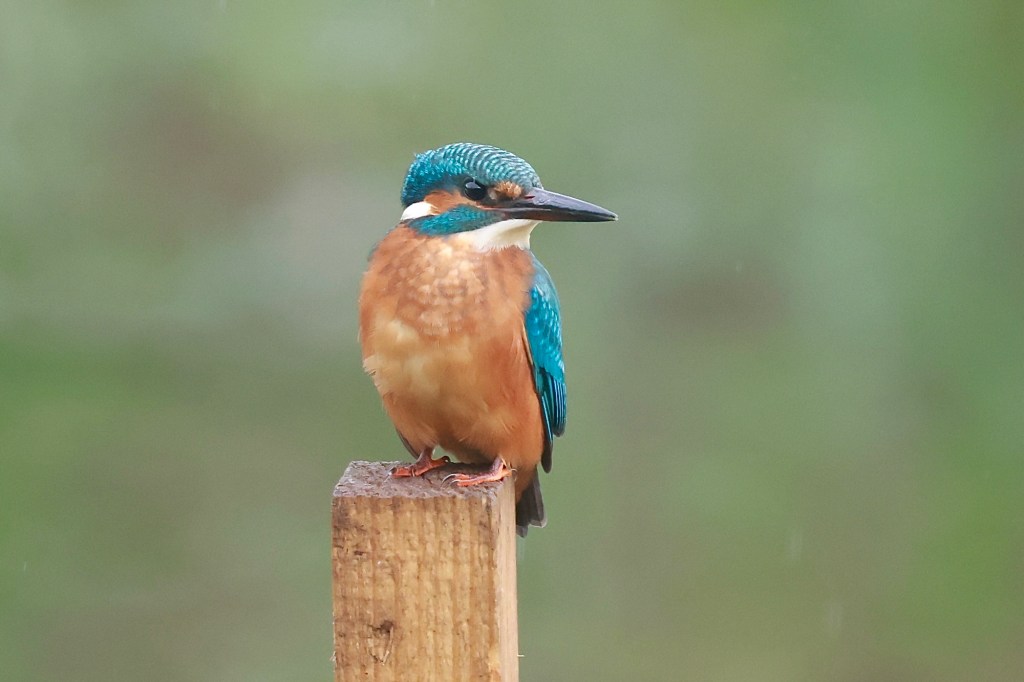
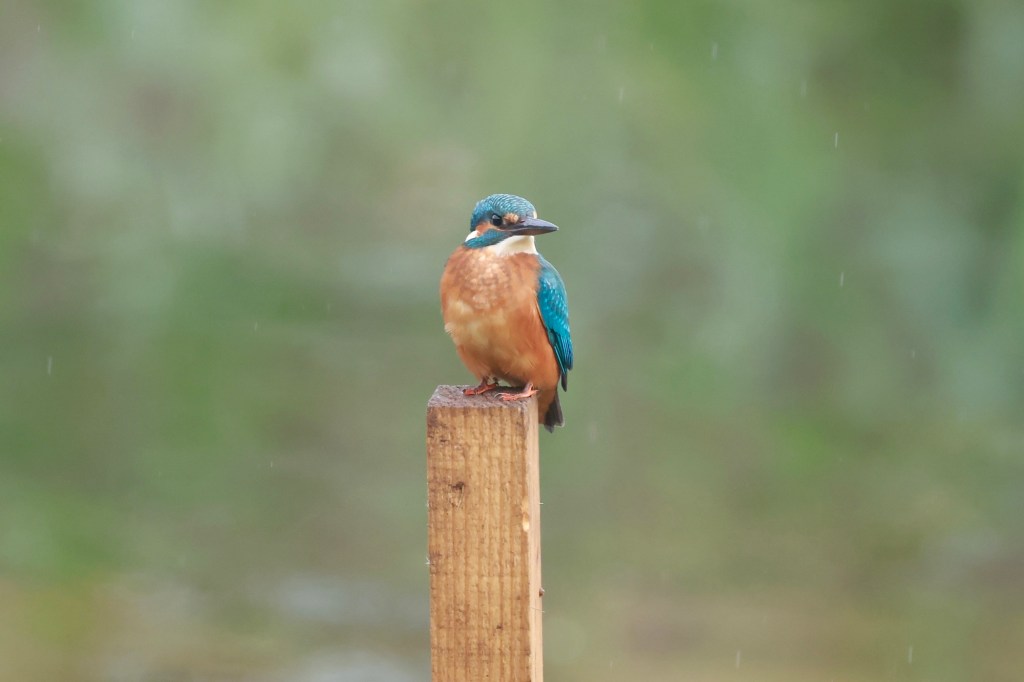
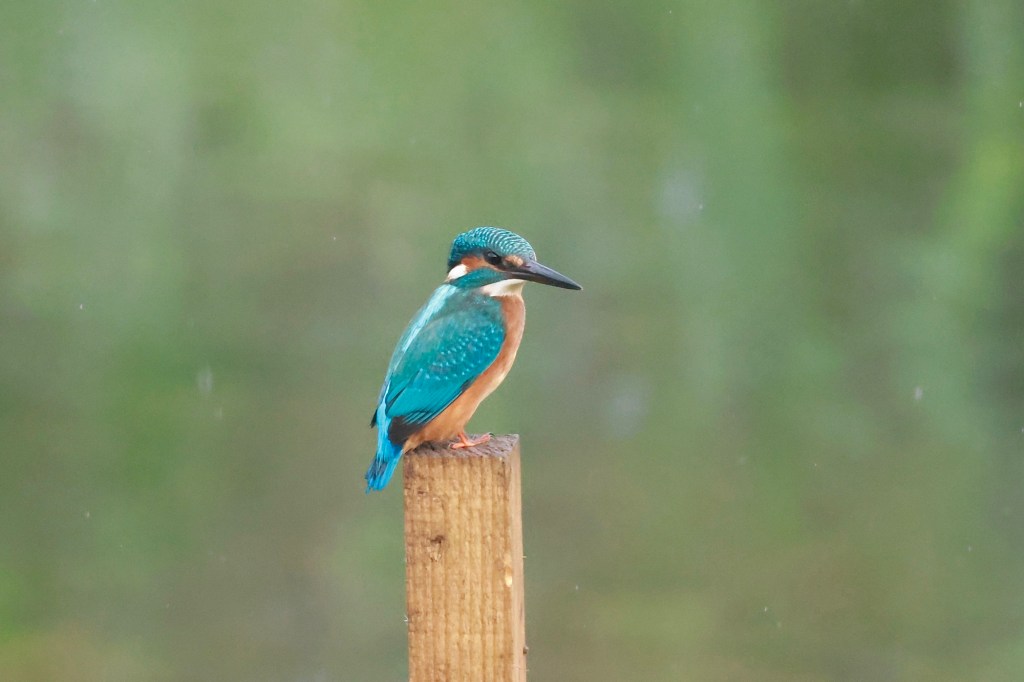
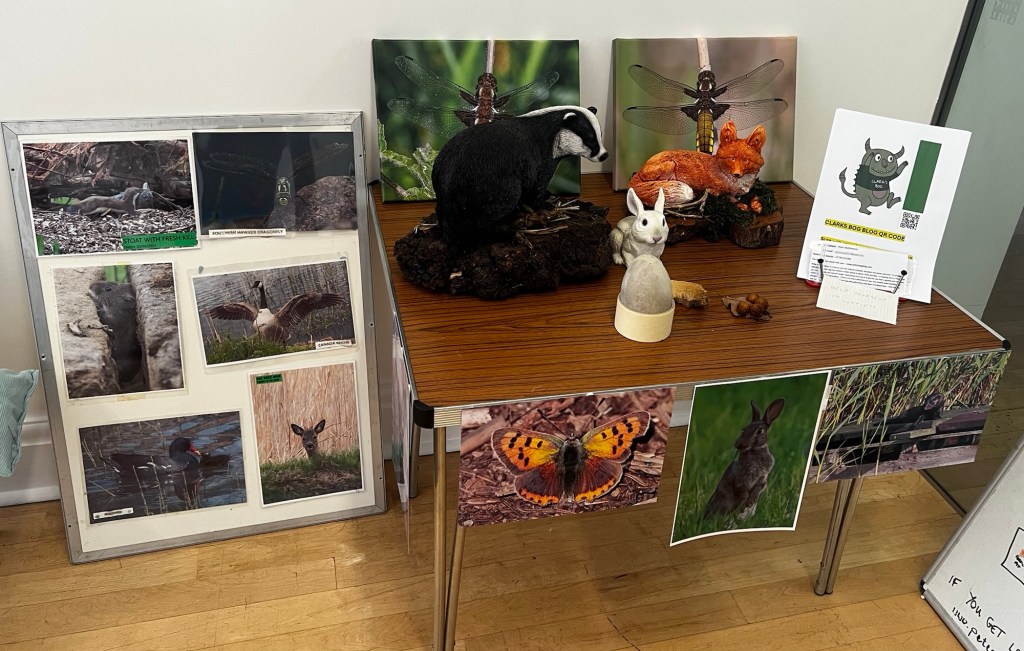
Some of the pictures I have taken on the reserve during May, to give you a flavour of what has been going on.


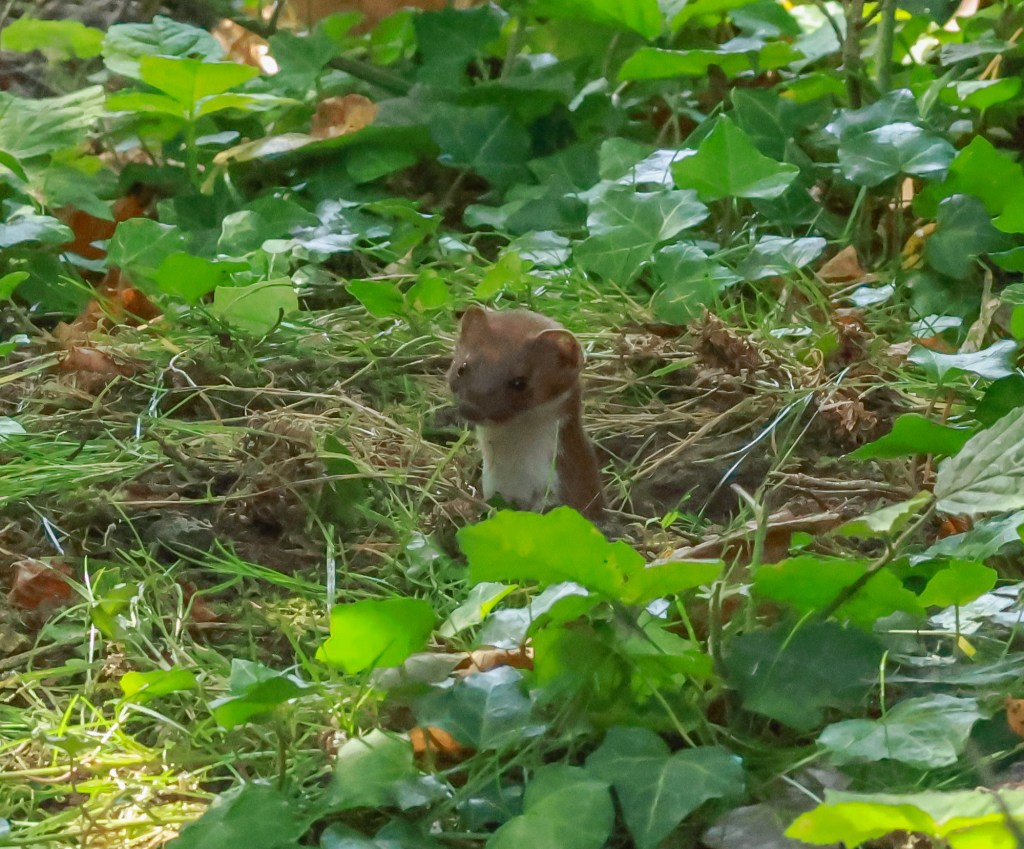
Its nice to see something built on the reserve being used by the local wildlife. So on Friday I visited Woggle Water pond and noticed some movement in the new drystone wall that we have just built. This little furry friend appeared to entertain for a few seconds:-


Shy at first but with a bit of gentle persuasion he showed his full glorious cuteness:-


Yes meet Stoaty McStoatface, a very cute killer, hopefully reducing my rat population, a little.
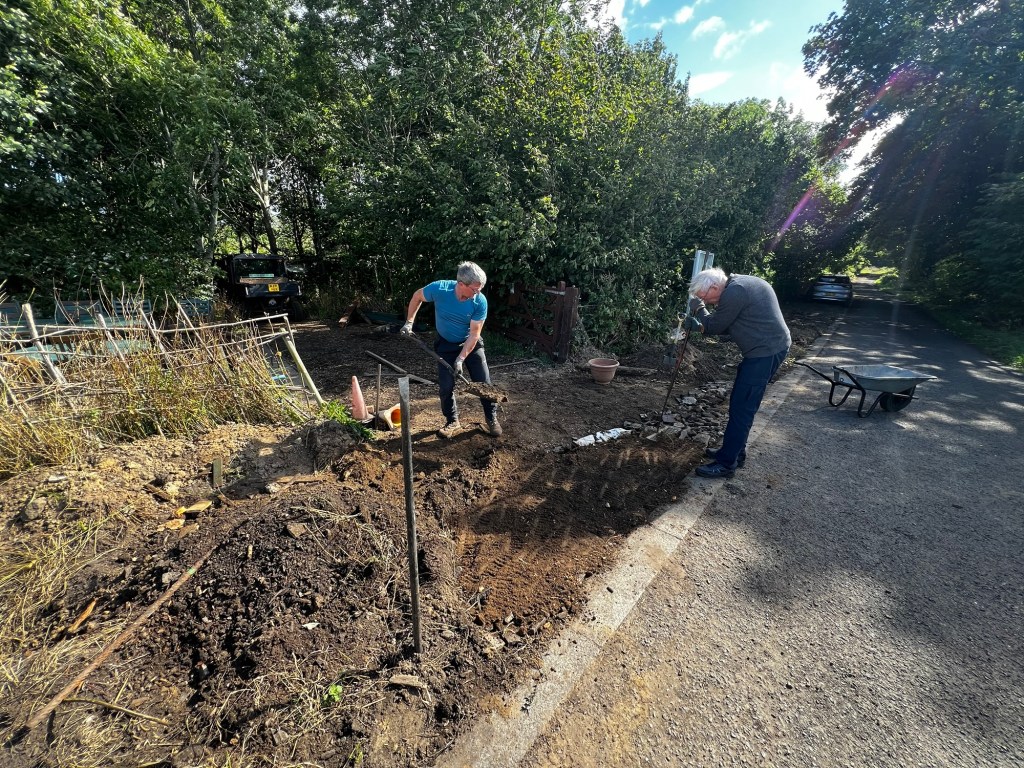
Many thanks to Peter Smith, Ben and Aidan (our two work experience students from KEVI) for their hard work over last week. Also thanks to some heavy digging by Auggie and Charlie to kick off the project.
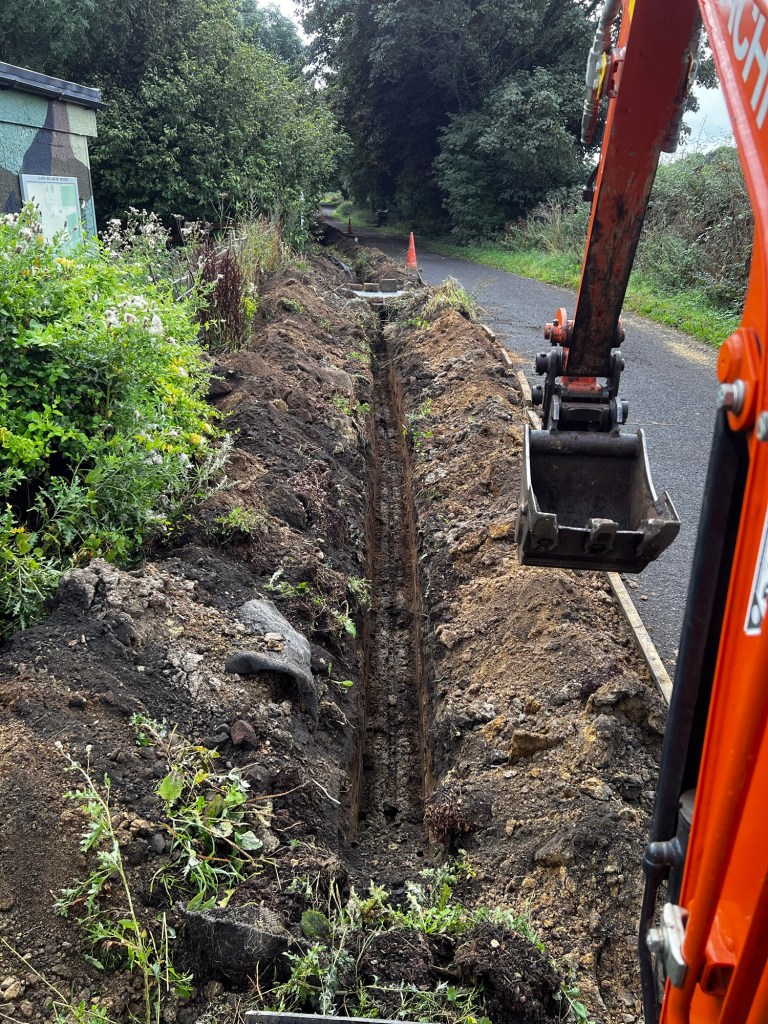
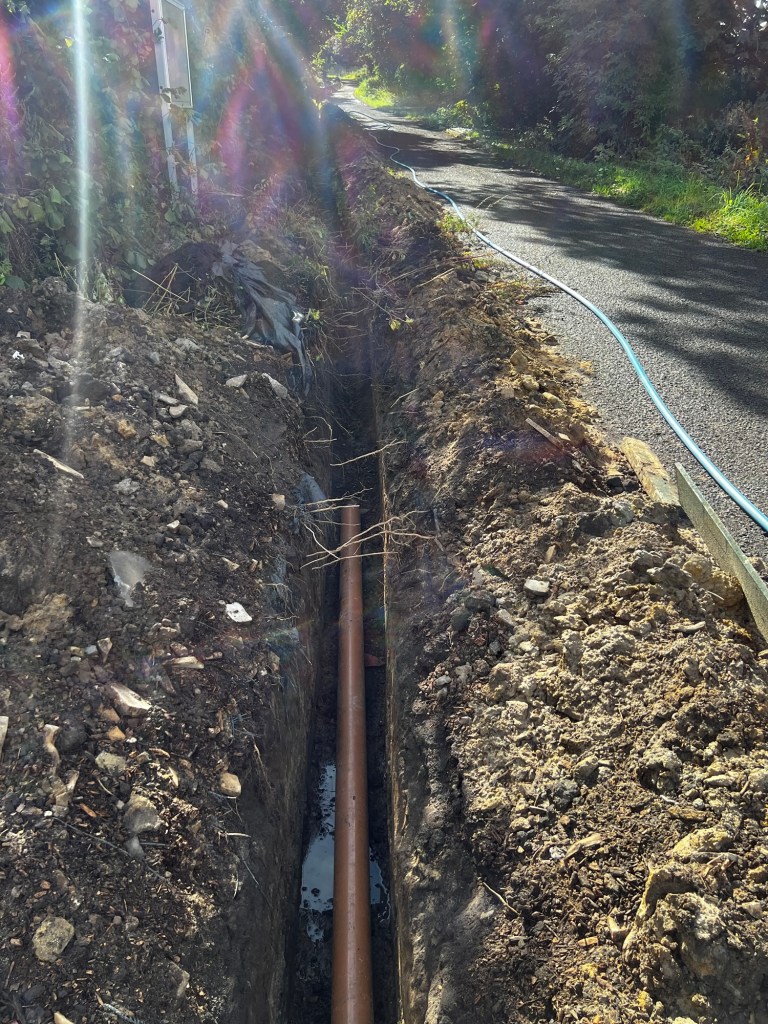
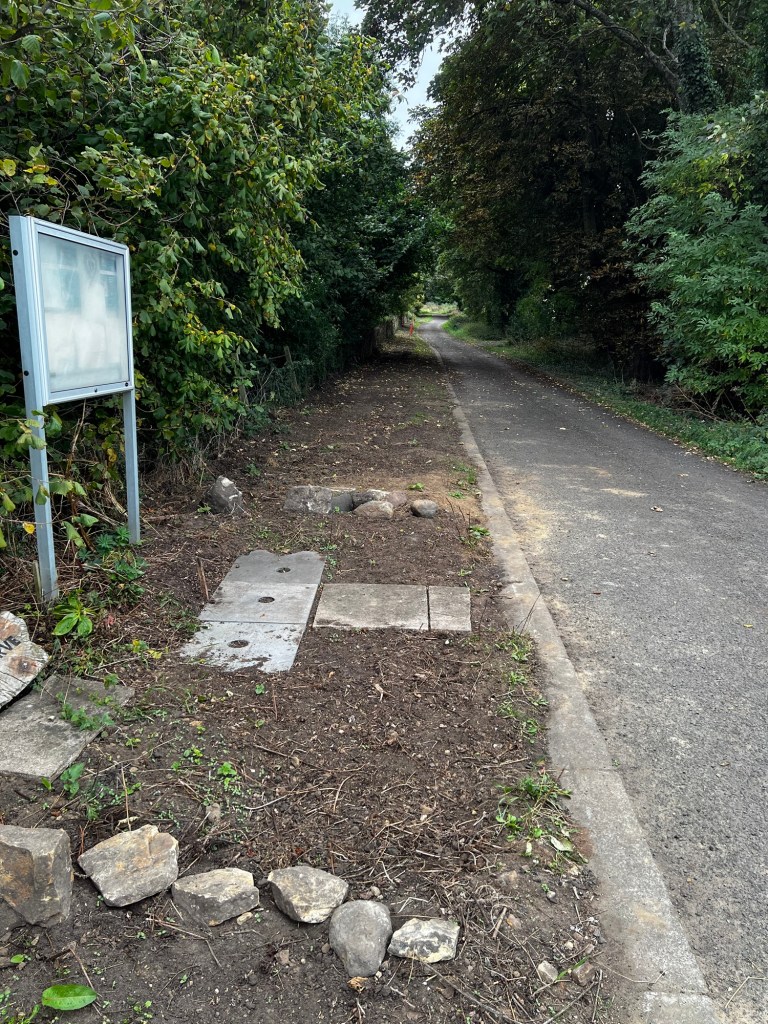
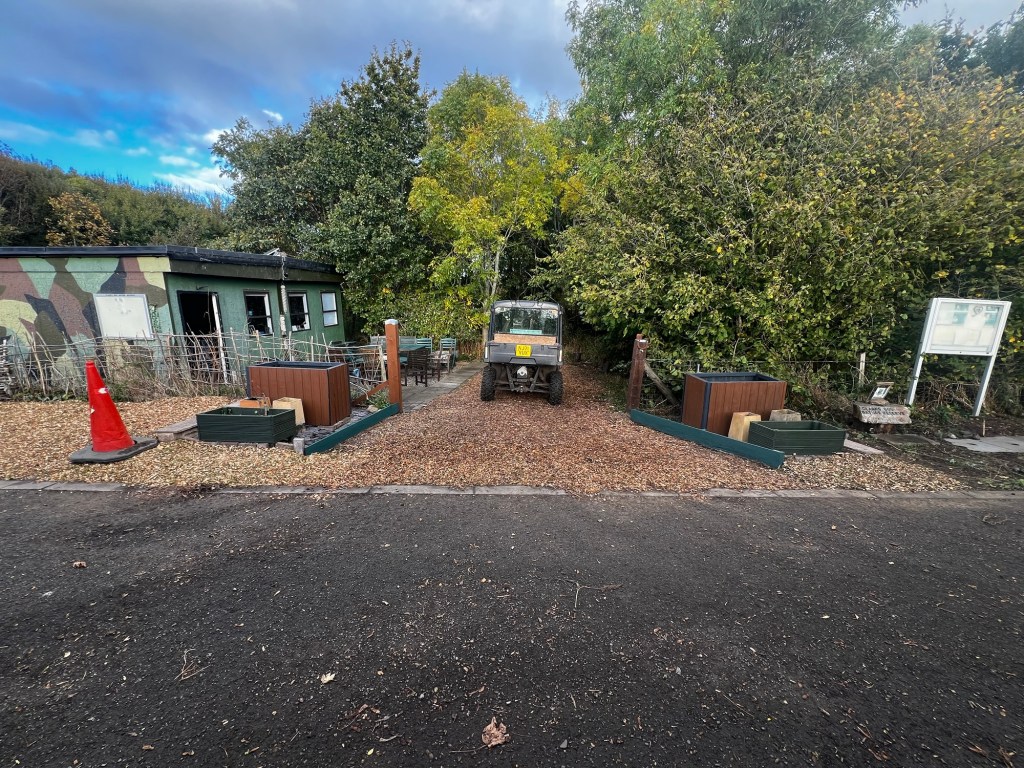
We started our mini barn for barn owls project and we are now up to the point where we just have the roof to put on.


A very big thank you to Coquetdale Wildlife Group and The Hadrian Trust for helping fund this project.